
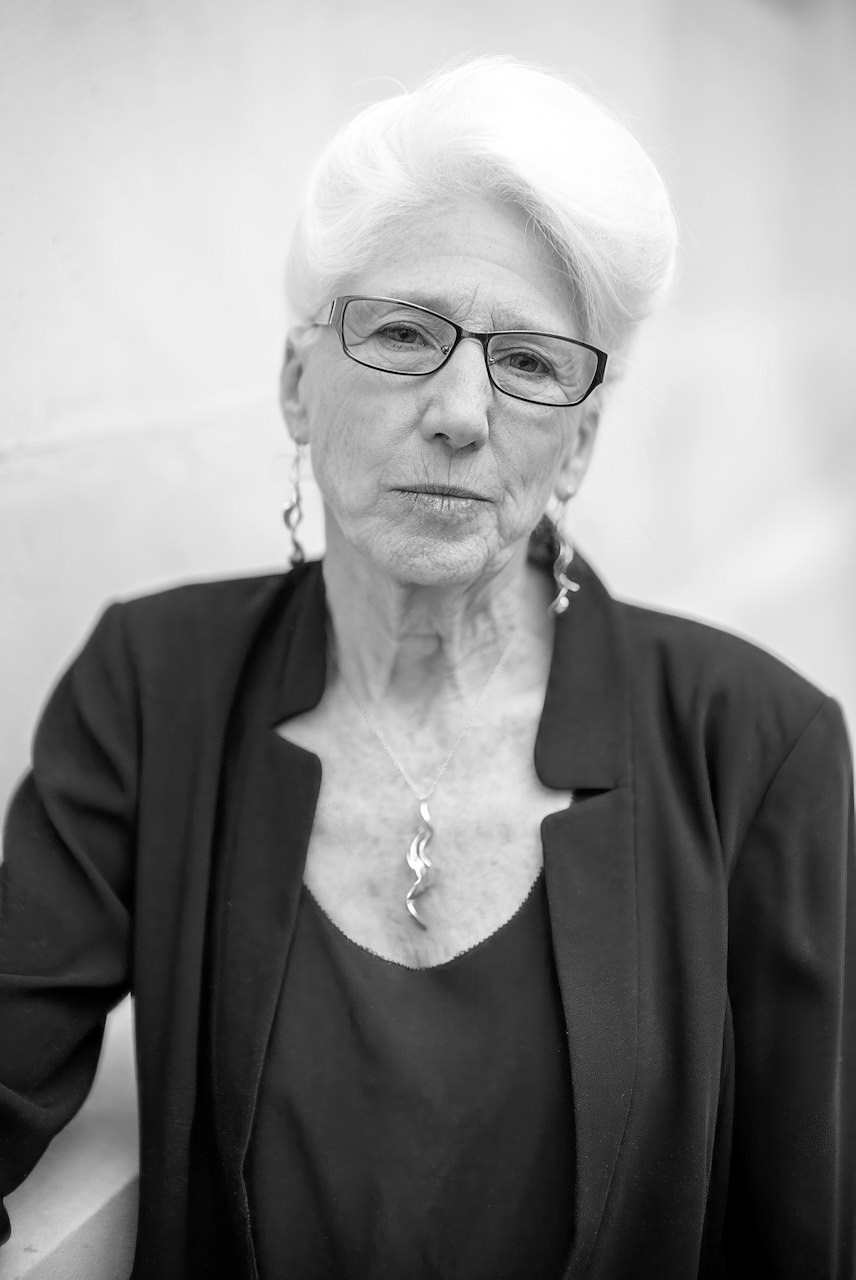
Nancy Wexler has spent her life staring down inevitability.
Huntington’s disease is one of the most unforgiving diagnoses in medicine. If you inherit the mutation, the future is written into your cells. There is no ambiguity, no partial expression to soften the blow. Each child of an affected parent faces a fifty percent chance. It is arithmetic wrapped around a family tree.
For Wexler, this was never abstract. Her mother died of Huntington’s. She grew up watching the slow unraveling of someone she loved. The disease does not simply take the body. It alters movement, cognition, personality. It stretches out over years. It makes children wonder which half of their genetic inheritance will define them.
In the 1970s, before genome sequencing, before automated anything, Wexler helped organize one of the most ambitious genetic hunts of the twentieth century. She and her colleagues traveled repeatedly to the shores of Lake Maracaibo in Venezuela, where an unusually large extended kindred carried Huntington’s at high frequency. The work was physical and intimate. Blood samples collected one by one. Pedigrees mapped across generations. Conversations at kitchen tables. Trust built over years.
In 1983, her team helped localize the Huntington’s gene to chromosome 4. It was the first time a disease gene had been mapped without knowing the protein it encoded. That moment shifted human genetics. It proved that you could track a mutation purely through linkage, through inheritance patterns alone. A decade later, the precise mutation was identified. The era of predictive testing began.
The science was revolutionary. The human consequences were complicated.
If you are at risk, do you want to know. If you test positive, how do you plan your life. When do you tell a partner. Do you have children. Knowledge, in this case, does not cure. It clarifies. It places a clock on the wall where there was once only fog.
Wexler has navigated those questions not only as a scientist but as someone who may herself carry the gene. She chose not to be tested for many years, living in the space between probability and certainty. That decision alone became part of the broader ethical conversation. Genetics is not just about discovery. It is about responsibility.
Her work helped build the foundation for modern gene mapping. The strategies refined in the Huntington’s search accelerated the identification of genes for cystic fibrosis, breast cancer, and countless other conditions. What began as a deeply personal quest became a template for a field.
Yet even now, Huntington’s remains incurable. Therapies are emerging. Gene silencing approaches are being tested. But the disease still advances in families across the world.
Wexler’s legacy sits in that tension. She narrowed the gap between mystery and mechanism. She transformed a fatal inheritance into a defined mutation, a stretch of repeated DNA letters. She gave families answers. She forced medicine to grapple with the psychological weight of predictive knowledge.
Some scientists pursue elegance. Some pursue prestige. Wexler pursued a disease that had already taken from her. The work demanded patience, endurance, and a willingness to confront what most people prefer to avoid.
In doing so, she altered the trajectory of human genetics. Not by removing suffering, but by illuminating it.


