
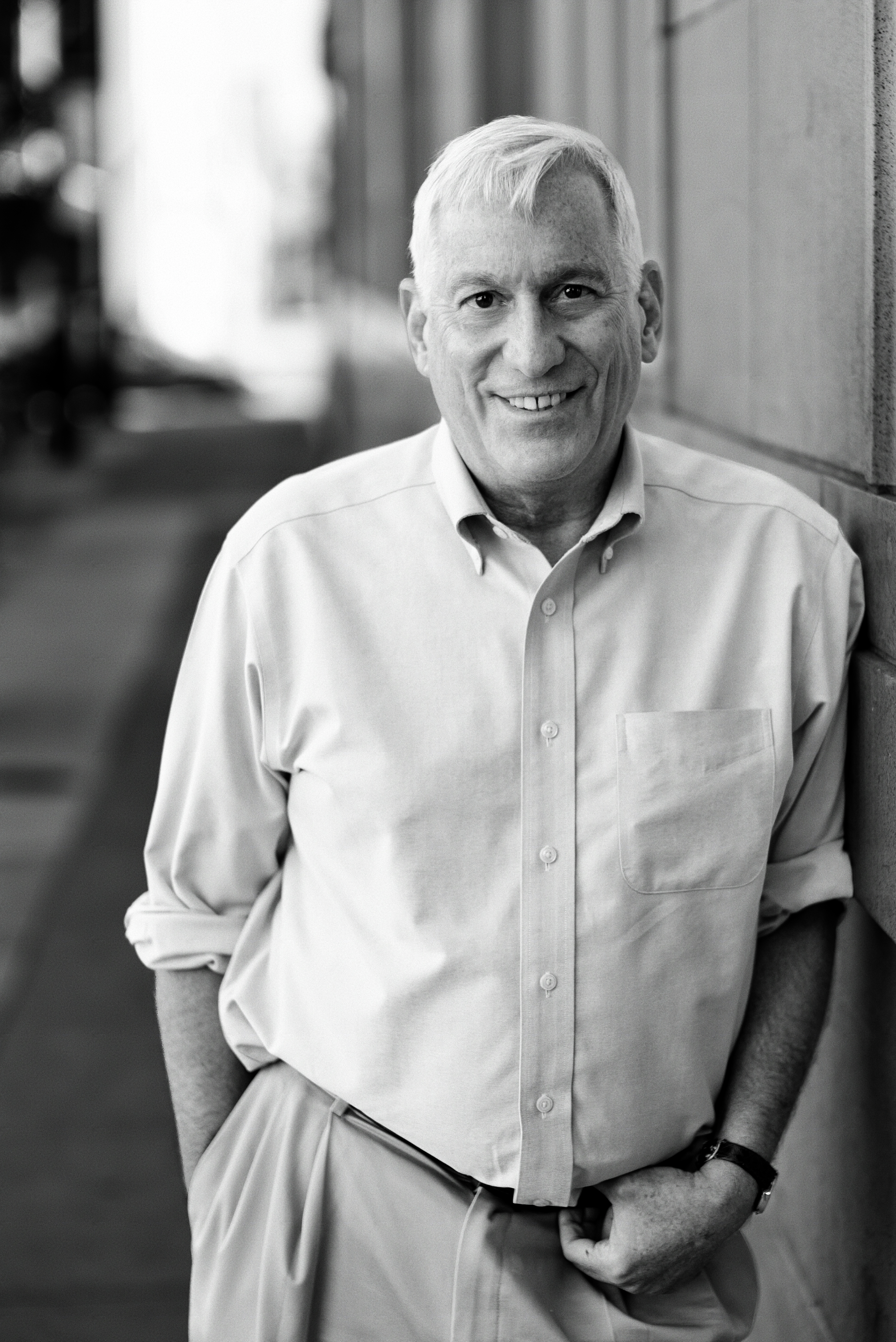
Walter Isaacson has spent his life exploring the nature of genius. His subjects are familiar: Einstein, Franklin, Jobs, Leonardo, Doudna…but the stories he tells are never tidy. He is drawn to complexity, to people who live at the edge of disciplines, who fail often, who change course, who obsess. In his hands, biography becomes something more than a chronology of achievement. It becomes an investigation into how big ideas are born and how messy the creative process really is.
Isaacson began his career in journalism. He started as a reporter at The Sunday Times in London and then joined Time magazine, where he would eventually become editor in chief. From there he moved to CNN, where he served as chairman and CEO during a pivotal period. But it was in writing that he found his enduring medium. He doesn’t just chronicle lives. He seeks to understand how people think and how their thinking shapes the world around them.
His biography of Steve Jobs pulled back the curtain on the contradictions that made Apple possible. His account of Leonardo da Vinci uncovered notebooks filled with questions that still feel urgent. With Jennifer Doudna, he took readers deep into the world of CRISPR and the ethical frontiers of gene editing. Each book reveals a mind at work, and behind each mind, the long trail of curiosity, failure, and resilience.
Beyond his writing, Isaacson has dedicated himself to teaching and service. He is a professor at Tulane University and was for many years the CEO of the Aspen Institute, where he fostered conversations across politics, science, and the arts. It was there that I came to know him, when I was a Henry Crown Fellow. Walter became my mentor, not by offering answers but by asking better questions. He has a gift for drawing people out, for seeing what they are capable of before they see it themselves.
He moves easily between worlds. One day he might be advising a president. The next he’s on the Gulf Coast, helping students think through the intersection of technology and ethics. He believes that science and the humanities belong together. He believes that ideas matter, but that people matter more.
Walter Isaacson’s work reminds us that progress is not driven by algorithms or inevitability. It is driven by people who care enough to wonder, and who are willing to work through the uncertainty that comes with doing something new. His gift is helping us see those people clearly, not as legends but as humans. And in doing so, he invites the rest of us to take our place in the story.


